- Insights
Branding the care experience
At ODA Branding, we believe the most valuable healthcare brands are built operationally, not just visually. When brand strategy shapes behaviours, aligns teams and improves lived experience, organisations unlock value that often already exists within their operations.
Clinical quality, operational performance and dedicated teams matter enormously. But healthcare organisations are increasingly confronting a difficult reality: what they believe they deliver is not always what patients, residents, families or staff actually experience.
That gap is where trust, engagement and commercial value can erode. It’s rarely because organisations lack expertise, care or operational commitment. More often it’s because the healthcare experience feels fragmented, inconsistent or harder to navigate than it should.
For patients, residents and families, care is not experienced through internal metrics or service models. It’s experienced through everyday moments – communication, environment, behaviours, reassurance and human interaction.
That’s where healthcare brand strategy becomes commercially meaningful. Not as visual identity alone, but as the intentional design of patient experience, resident experience and service interactions that make quality of care feel clearer, more consistent and more human.
That was the opportunity with HC-One.
The challenge was not simply to create another wellbeing initiative. It was to embed wellbeing as a visible, operational and scalable part of everyday care across more than 300 homes.
One part of the transformation we are particularly proud of was redefining the traditional Activities Coordinator role as the Wellbeing Club Leader.
On the surface, that may sound like a simple shift in language. In practice, it reflected something much bigger: a clearer purpose, stronger expectations and a more meaningful role in resident wellbeing.
But this was never about renaming a job title.
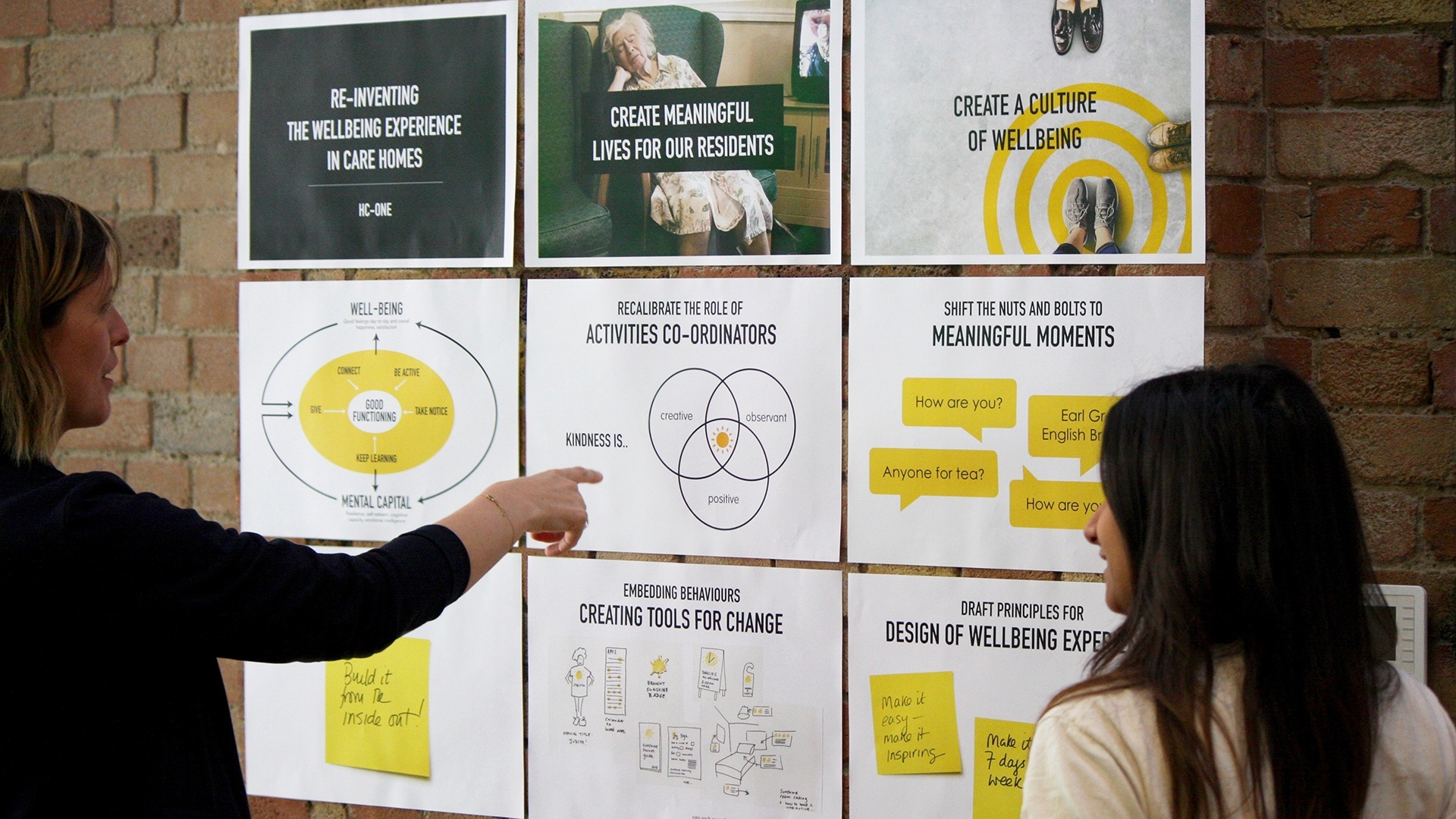
Working closely with operational leaders, frontline teams and dementia care specialists, we explored a much more fundamental question: what does meaningful wellbeing actually look like in a care home environment, and how do you deliver it consistently across a large, distributed care group?
It quickly became clear that the opportunity extended far beyond communications.
This was about service design, workforce engagement and embedding a more intentional wellbeing model into everyday care delivery.
HC-One already had passionate teams creating extraordinary moments of care every day.
Like many large care organisations, the opportunity was not to invent something entirely new, but to make more of that value visible, more consistent and easier to scale across a national network.
Working closely with operational leaders, frontline care teams and activity colleagues across more than twenty homes, we helped develop a new wellbeing model focused on outcomes rather than activities alone — creating experiences designed to support mind, body and soul.
The result was the HC-One Wellbeing Club: a practical resident wellbeing framework designed for consistent rollout across more than 300 care homes.
The challenge was scalability.
In large, distributed care organisations, even the strongest ideas can become inconsistent if they rely too heavily on interpretation, complex training or individual enthusiasm.
So the focus was not simply creating a wellbeing concept, but designing an operating model that frontline teams could adopt confidently and consistently.
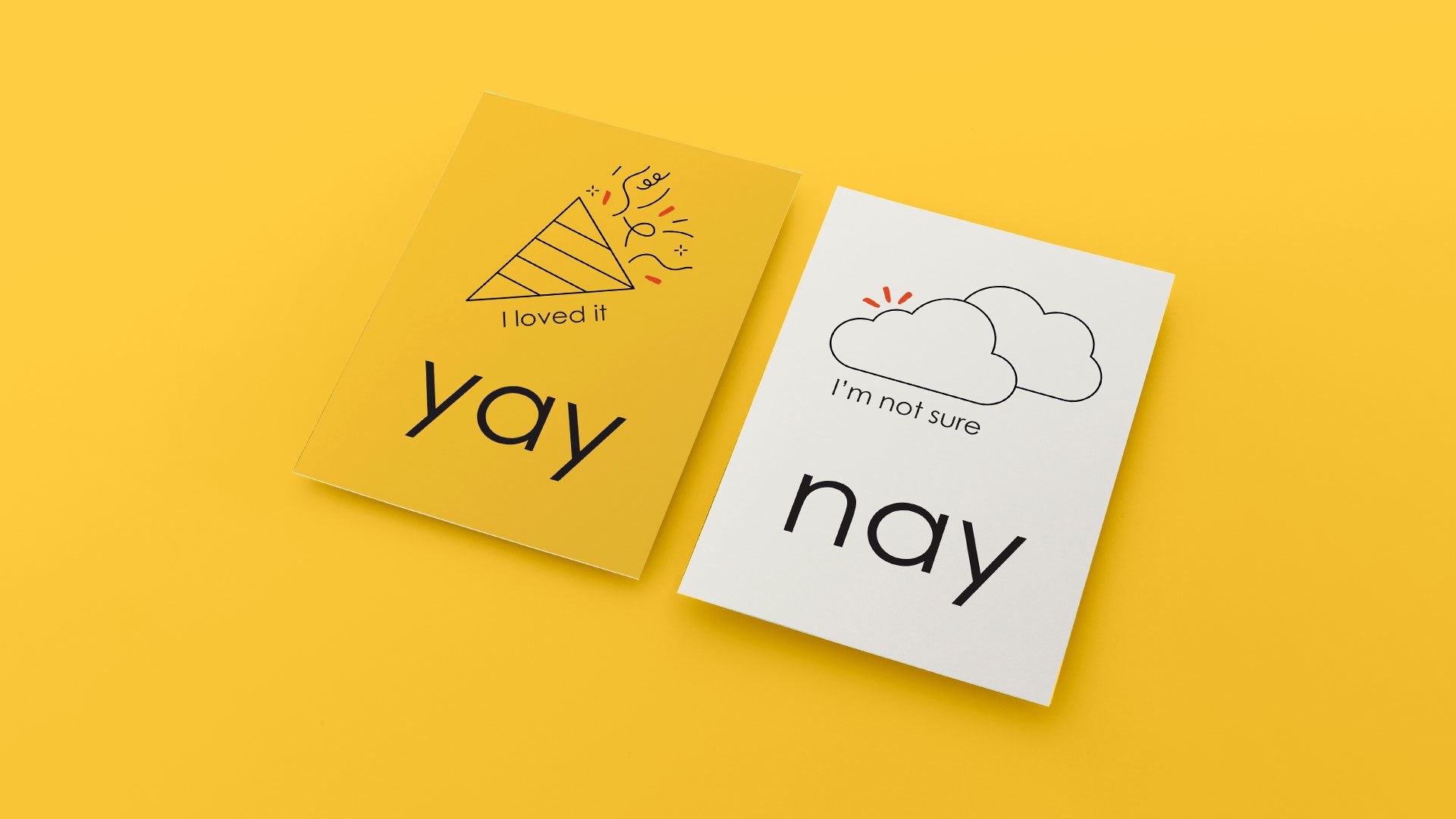
That included scalable wellbeing programming, practical implementation tools, resident engagement systems, communication frameworks, internal inspiration initiatives, SHINE room concepts, feedback loops for residents and teams, and digital tools connecting Wellbeing Club Leaders across the organisation.
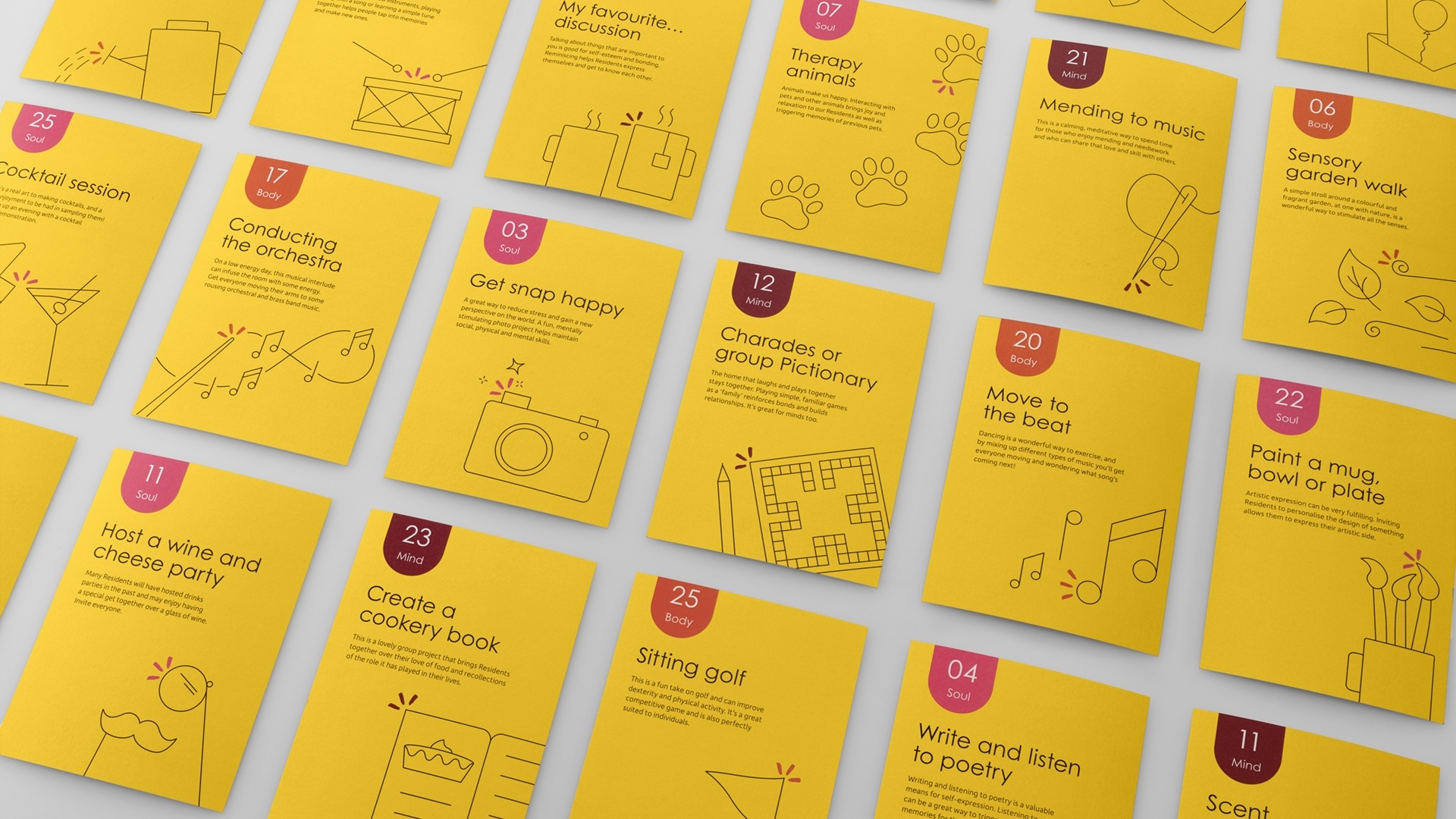
At the centre sat a practical wellbeing timetable developed through extensive consultation, informed by dementia care best practice and wider sector guidance.
Crucially, the model was designed to support all residents — including those unable to leave their rooms — helping resident wellbeing become more inclusive, visible and embedded in everyday care delivery.
To help the programme gain traction operationally, we also created a distinctive identity for the Wellbeing Club within the wider HC-One brand.
But this was never simply about visual identity.
The brand became a practical behavioural tool that helped create visibility, motivate teams, reinforce shared purpose and drive greater consistency across hundreds of care settings.
Alongside the operational rollout, we also helped create a closed digital peer community where Wellbeing Club Leaders could share ideas, challenges and inspiration. That network continues to connect colleagues nationally, creating a stronger culture of shared learning and frontline engagement.
What made the work successful was not simply the branding.
It was the way brand thinking became embedded into the care experience itself, aligning teams, strengthening consistency, improving engagement and helping HC-One unlock more value from the extraordinary care already happening across the organisation.
For care teams, it reignited purpose, collaboration and energy.
For residents, it helped make wellbeing more visible, accessible and tangible in everyday life.
And for HC-One, it demonstrated something increasingly relevant across healthcare and care: organisations rarely create value through communications alone.
The greater opportunity often lies in identifying the value already present in operations, people and behaviours, then designing systems that make that value easier to deliver consistently, at scale.